
AI image generation is no longer only about making attractive pictures.
Seedream 5.0 Pro represents a smarter direction for AI image generation, where the model does more than respond to a simple prompt. It helps users build a more complete AI design workflow
from idea to visual draft
from draft to revision
from revision to publish-ready content
Instead of treating an AI image as a one-time result, this model makes image creation feel more iterative, structured, and controllable.
What is Seedream 5.0 Pro?
Starts with better design understanding.
Seedream 5.0 Pro is a multimodal AI image model designed for advanced visual creation.
It can understand
text prompts
image references
layout goals
editing instructions
visual style
design context
In simple terms, it helps users create images that are not only beautiful, but also more useful.
How Is It Different from a Basic AI Image Generator?
Simple tools generate images. Better tools support decisions.
The main difference is not only output quality. The bigger difference is workflow value.
A standard AI image generator often works well when the task is simple: describe a subject, choose a style, and generate a picture. But once the user needs dense text, layout control, multi-image references, local editing, or commercial consistency, the limitations become clear.
Seedream 5.0 Pro is more focused on structure, editing, and practical use.
Need | Basic AI Image Generator | Seedream 5.0 Pro Workflow |
Simple visual ideas | Good for quick inspiration | Also useful for polished production drafts |
Layout control | Often unpredictable | Better for structured compositions |
Text in images | Can be blurry or incorrect | More suitable for typography and labels |
Infographics | Difficult to organize | Better for dense visual information |
Product visuals | May look inconsistent | Better for material, lighting, and reference use |
Editing | Often requires full regeneration | Supports more targeted revision |
Global content | Limited multilingual handling | Better for localized visual creation |
Design workflow | One-shot output | More iterative and controllable |
This makes the model more useful for people who need results that can move closer to real business use, not only concept exploration.
How Can Seedream 5.0 Pro Create High-Density Visual Information?

One clear image can save a long explanation.
One of the most important strengths of this model is its ability to handle high-density visual communication.
High-density images include more than one subject.
✅ They may combine
titles
labels
charts
timelines
icons
product details
small text
diagrams
structured sections
This is common in education, marketing, business presentations, product pages, and social media explainers.
💡 Possible examples include:
A science infographic explaining an astronomy concept
A product feature graphic for an e-commerce listing
A business report visual with data blocks and icons
A classroom poster for biology, history, or geography
A comparison chart for software, tools, or services
A campaign poster with headline, discount, time, and product image
A landing page hero visual with text cards and product highlights
This type of content is difficult because every part of the image must work together. The model needs to understand not only style, but also information order.
The strongest value is not only speed. It is the ability to transform complex ideas into visual structure.
How Does Interactive Editing Improve the Creative Process?
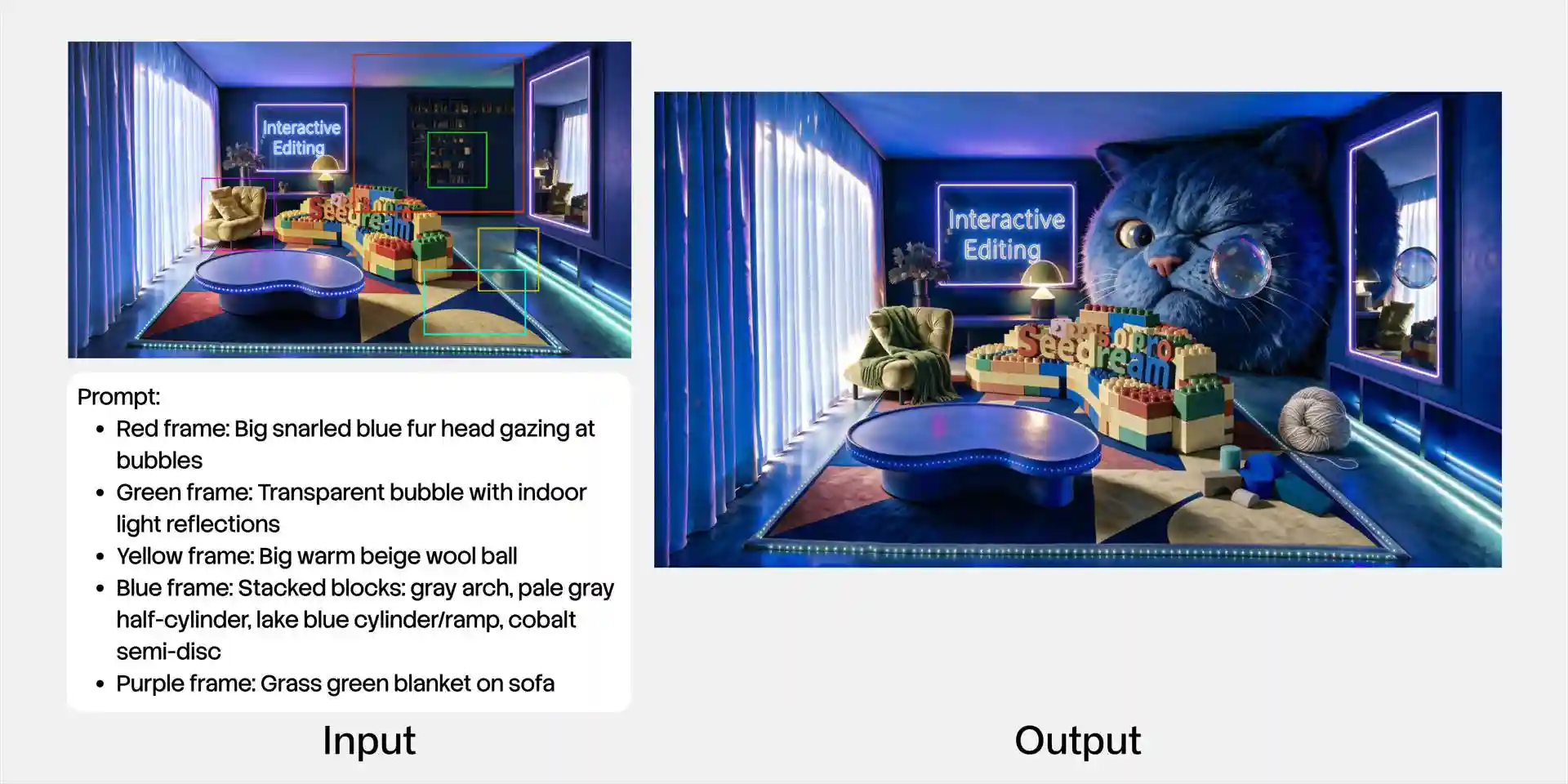
Better editing means fewer restarts.
Traditional prompt-based generation often creates a frustrating loop.\
Interactive editing changes that workflow.
Instead of starting over every time, users can refine the existing result. This is important for design production because most real visuals are improved through several rounds of adjustment.
Local Image Editing
Local editing allows users to change a specific part of an image.
For example, they may want to remove an object, add a logo area, replace a background element, or adjust one product detail.
This is useful for product photos, social media graphics, posters, and brand visuals where a small mistake should not ruin the whole image.
Color and Material Changes
Color and material control is valuable for commercial visuals.
A seller may want to test a product in different colors.
A furniture brand may want to preview fabric, leather, or wood variations.
A designer may want to match a campaign image to a brand palette.
Instead of creating a new scene from scratch, users can adjust selected properties more efficiently.
Sketch-to-Image Creation
Sketch rendering helps users start from a rough layout. A simple drawing, block composition, or visual direction can become a more complete image.
This is useful for people who have ideas but do not want to build every detail manually. A rough poster layout, UI wireframe, or product scene sketch can become a polished concept.
Layer-Based Design Thinking
Layer separation makes AI images more flexible.
Instead of treating an image as one flat result, users can think in terms of subject, background, text, decoration, and supporting elements.
This is closer to how designers actually work. Design is not only about creating an image. It is about moving, replacing, testing, and refining parts of the image.
Multi-Image Fusion
Multi-image fusion helps combine different references into a single visual direction. A user may provide one image for the product, one for the character, one for the background, and one for the desired style.
Together, these editing features make the creative process more flexible. The image becomes something users can improve, not just accept or reject.
How Does Seedream 5.0 Pro Improve Realistic Image Quality?
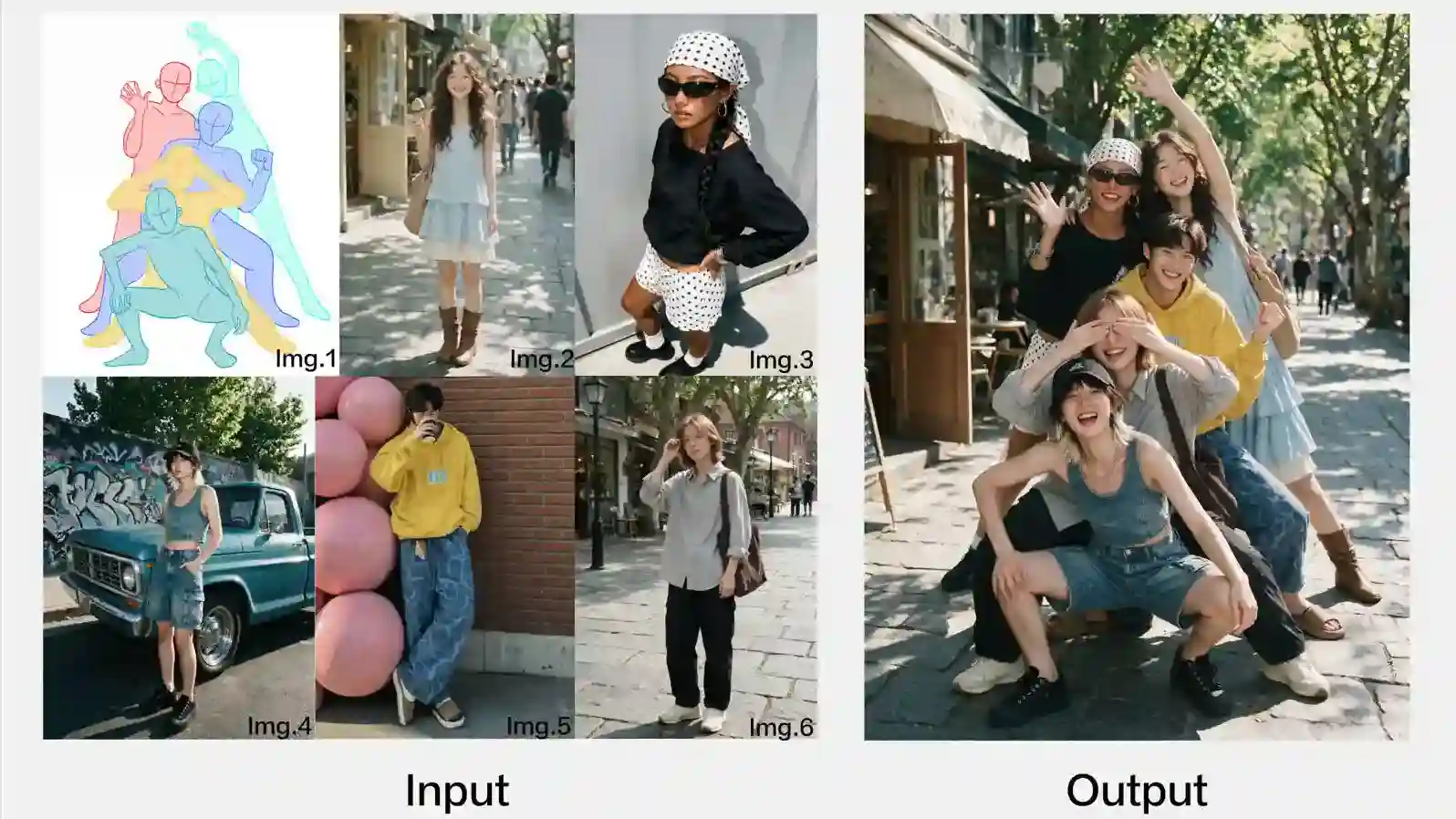
Realistic detail builds visual trust.
For many commercial use cases, realism matters.
Product images need believable surfaces.
Portraits need natural skin texture.
Architecture visuals need convincing light, glass, metal, stone, and reflections.
Food, fashion, and lifestyle images need atmosphere and material accuracy.
💡 Seedream 5.0 Pro improves the way AI images handle:
Lighting and shadow
Skin texture
Fabric and clothing details
Glass, metal, stone, wood, and water
Product reflections
Cinematic atmosphere
Portrait expression
Photographic depth
Commercial image polish
For businesses, realistic quality helps reduce the gap between AI-generated visuals and real production assets. It can support early campaign ideas, product previews, store graphics, and concept images before a formal photo shoot or final design round.
Why is Multilingual Image Design Important?
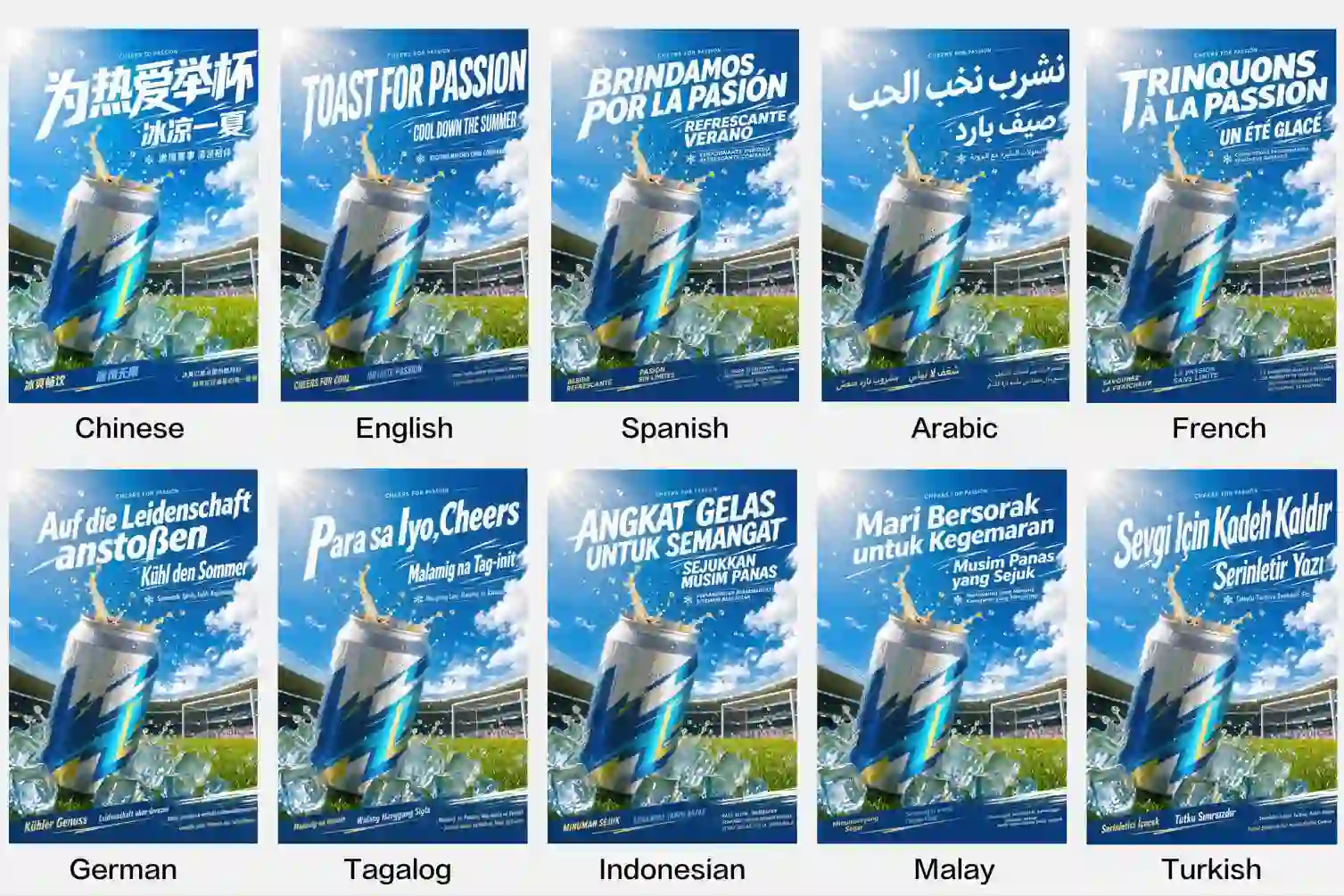
Global visuals need more than translated words.
Many brands and creators publish content for multiple regions. But multilingual design is not only about replacing text.
Different languages have different rules.
Arabic uses right-to-left writing.
Spanish includes accent marks.
Chinese and Japanese need different spacing and typography balance.
A local campaign may also require different cultural cues, color expectations, clothing styles, or visual settings.
A stronger multilingual image model can help users create localized designs more efficiently.
💡 This is useful for:
Cross-border e-commerce
International advertising
Localized social media content
Multilingual posters
Public information graphics
Education materials
Travel and event promotions
Global product campaigns
For small teams, this can reduce the workload of creating many regional versions. For global creators, it makes visual localization faster and more accessible.
How to Use Seedream 5.0 Pro Step by Step?
A clear brief creates a stronger output.
To get better results, users should avoid writing only a style description. A better prompt should include purpose, structure, content, and visual direction.
Step 1: Start with the Goal
Define what the image is for.
Examples:
Product ad
Social media post
Event poster
Infographic
UI mockup
Brand banner
Educational visual
Character concept
A clear goal helps the model understand what kind of design result you need.
Step 2: Describe the Structure
Tell the model how the image should be organized.
Useful details include:
Main subject
Background
Title position
Supporting text areas
Product placement
Icons or labels
Composition style
Visual hierarchy
Color direction
Aspect ratio
For example:
Create a clean e-commerce product feature image. Place the product in the center, use four feature cards around it, add a bold title at the top, and keep the background minimal and premium.
Step 3: Provide Exact Text
If the image needs typography, give the exact words.
For example:
Title: “Smart Lighting for Better Focus”
Feature labels: “Eye Comfort,” “Auto Dimming,” “App Control,” “Energy Saving”
This improves the chance of getting useful text-based visuals.
Step 4: Add Reference Images
Use reference images when you need product consistency, character identity, brand colors, material style, or visual direction.
References are especially helpful for:
Product scenes
Character consistency
Fashion images
Brand campaigns
Interior design
Multi-image compositions
Step 5: Refine the Best Result
💡 Do not restart too quickly. If the image is close, edit it.
You can adjust the color, replace one element, improve the text area, change the background, or refine the material. This keeps the useful parts of the image while fixing weak areas.
Step 6: Review Before Publishing
Before using the image commercially, check text, details, brand accuracy, product appearance, factual information, and local language quality.
🔊 AI can speed up the workflow, but final review is still important.
Who Should Use This AI Design Model?
Seedream 5.0 Pro is useful for many creative users, but it is especially valuable for people who need repeatable visual output.
Marketers
Marketers can create campaign concepts, ad visuals, landing page images, promotional posters, and social media creatives.
E-Commerce Sellers
Online sellers can create product hero images, lifestyle scenes, feature graphics, and visual variations for different audiences.
Designers
Designers can use it for concept exploration, moodboards, editable drafts, poster layouts, and early creative directions.
Educators
Teachers, course creators, and education teams can create infographics, classroom posters, knowledge diagrams, and learning visuals.
Content Creators
Creators can make thumbnails, banners, carousels, story visuals, and branded content series faster.
Global Brands
Brands working across different languages can use multilingual image generation for localized campaigns and regional marketing assets.
What Are the Limits and Best Practices?
Smart tools still need smart review.
Even a stronger AI image model should not be treated as perfect. Users should review the output carefully, especially for business, education, and multilingual content.
❕ Key points to remember:
Check all text carefully
Titles, dates, prices, labels, and brand names should always be reviewed.
Verify facts in information-heavy images
Infographics, timelines, statistics, and educational diagrams need fact checking.
Use clear editing instructions
Local editing works better when the target area and desired change are specific.
Keep brand consistency
Match colors, product details, tone, and visual style with your brand guidelines.
Review multilingual output
Localized visuals should be checked by someone who understands the language and market.
Respect rights and permissions
Be careful with logos, copyrighted characters, celebrity likenesses, and protected brand assets.
Use AI as an accelerator
The best results come when AI speed is combined with human judgment.
These limits are not reasons to avoid AI image design. They are part of using it professionally.

The next stage of AI images is editable and repeatable.
Seedream 5.0 Pro shows how AI image creation is shifting toward smarter design production:
stronger prompt understanding
high-density visual expression
interactive editing
realistic image quality
multilingual design support
multi-image fusion
more flexible revision workflows
The most important change is simple: AI image generation is becoming more practical.
Start with a clear idea, build a structured prompt, refine the strongest result, and turn your visual concept into a polished image ready for real use.